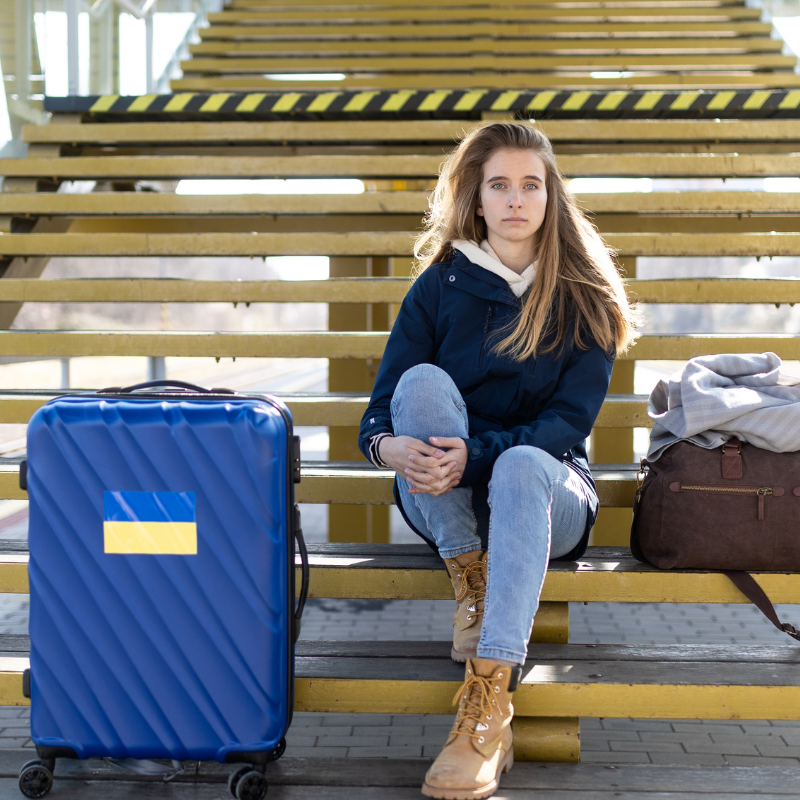
Since autumn 2023, the International Organization for Migration (IOM) has observed a steady trend of Ukrainian nationals returning home. According to the latest data, approximately 100,000 people return to Ukraine every six months.
This return is typically gradual and well-considered. In most cases, individual family members come back first, rather than entire households — a reflection of careful decision-making and assessment of local conditions.
Key reasons for returning:
- A desire to reunite with family and loved ones;
- The need to care for elderly parents or relatives;
- The aspiration to resume a career or rebuild a personal business in Ukraine;
- Expiration of residency permits or completion of studies abroad;
- Job loss or economic challenges abroad;
- Difficulties adapting (language barriers, cultural differences);
- Emotional connection to home, despite ongoing risks;
- Perceived improvements in safety and stability in some Ukrainian regions.
Where are returnees coming from?
- The vast majority of returnees — 93% — come from European Union countries, with the top origins being:
- Poland – 36%;
- Germany – 16%.
This distribution corresponds with the early displacement patterns following the full-scale Russian invasion.
How many Ukrainians are still abroad?
As of early summer 2025, Eurostat reports that 4.26 million Ukrainians remain in the EU under temporary protection. In April alone, the number of protected individuals increased by 2,525, with Sweden seeing the highest rise.
Looking ahead:
On June 13, 2025, the Council of the European Union officially extended the Temporary Protection Directive for Ukrainians and began discussing future strategies for when this protection ends — including options for voluntary return, integration, or long-term residency.
Returning home is more than just a logistical step — it’s an emotional and strategic decision. It reflects trust in Ukraine’s recovery, a desire to be close to loved ones, and a readiness to rebuild. Supporting this return is a shared responsibility.
 The main purpose of the Foundation is to directly support the people who remained in the zone of active hostilities, food, medicine, evacuation, including medical, transport.